
J Korean Med Sci.
2023 Mar;38(12):e88. 10.3346/jkms.2023.38.e88.
The Cultural Context of Plagiarism and Research Misconduct in the Asian Region

- Affiliations
-
- 1Department of Medicine, Seth Gordhandas Sunderdas Medical College and King Edward Memorial Hospital, Mumbai, Maharashtra, India
- 2Department of Medicine, Saint Louis University Hospital of the Sacred Heart, Baguio, Benguet, Philippines
- 3Department of Medicine, Virgen Milagrosa University Foundation-College of Medicine, San Carlos City, Pangasinan, Philippines
- 4Department of Medicine, University College of Medical Sciences, Delhi, India
- 5Department of Internal Medicine, University of Illinois College of Medicine at Peoria, Peoria, IL, USA
- 6Department of Public Health, University of California, Merced, CA, USA
- 7Department of Rheumatology, Royal Wolverhampton Hospitals NHS Trust, Wolverhampton, UK
- 8City Hospital, Sandwell and West Birmingham Hospitals NHS Trust, Birmingham, UK
- 9Division of Musculoskeletal and Dermatological Sciences, Centre for Musculoskeletal Research, School of Biological Sciences, The University of Manchester, Manchester, UK
- KMID: 2541036
- DOI: http://doi.org/10.3346/jkms.2023.38.e88
Abstract
- Plagiarism is one of the most frequent forms of research misconduct in South and East Asian countries. This narrative review examines the factors contributing to research misconduct, emphasizing plagiarism, particularly in South, East and Southeast Asian countries. We conducted a PubMed and Scopus search using the terms plagiarism, Asia, South Asia, East Asia, Southeast Asia, research misconduct and retractions in January of 2022. Articles with missing abstracts, incomplete information about plagiarism, publication dates before 2010, and those unrelated to South, East, and Southeast Asian countries were excluded. The retraction watch database was searched for articles retracted between 9th January 2020 to 9th January 2022. A total of 159 articles were identified, of which 21 were included in the study using the database search criteria mentioned above. The review of articles identified a lack of training in scientific writing and research ethics, publication pressure, permissive attitudes, and inadequate regulatory measures as the primary reasons behind research misconduct in scientific publications. Plagiarism remains a common cause of unethical publications and retractions in regions of Asia (namely South, East and Southeast). Researchers lack training in scientific writing, and substantial gaps exist in understanding various forms of plagiarism, which heavily contribute to the problem. There is an urgent need to foster high research ethics standards and adhere to journal policies. Providing appropriate training in scientific writing among researchers may help improve the knowledge of different types of plagiarism and promote the use of antiplagiarism software, leading to a substantial reduction in the problem.
Keyword
Figure
-
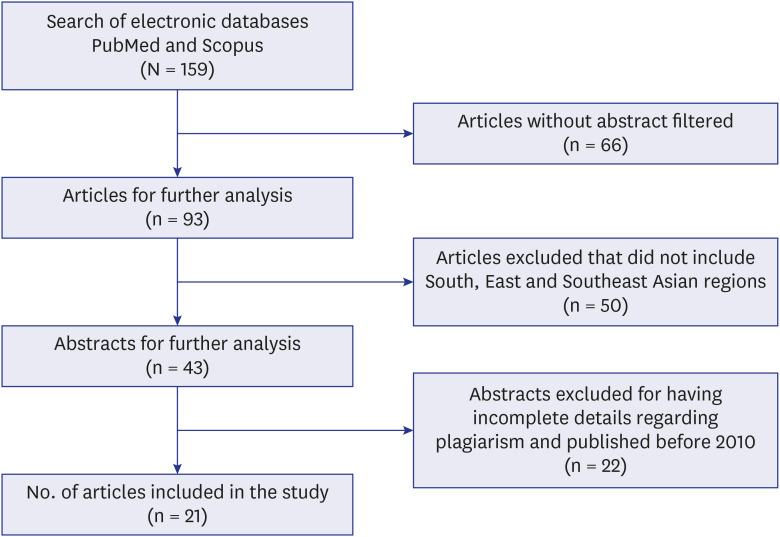
Fig. 1 Search strategy utilized for PubMed and Scopus databases. Flowchart representing the search strategy utilized to search PubMed and Scopus databases.
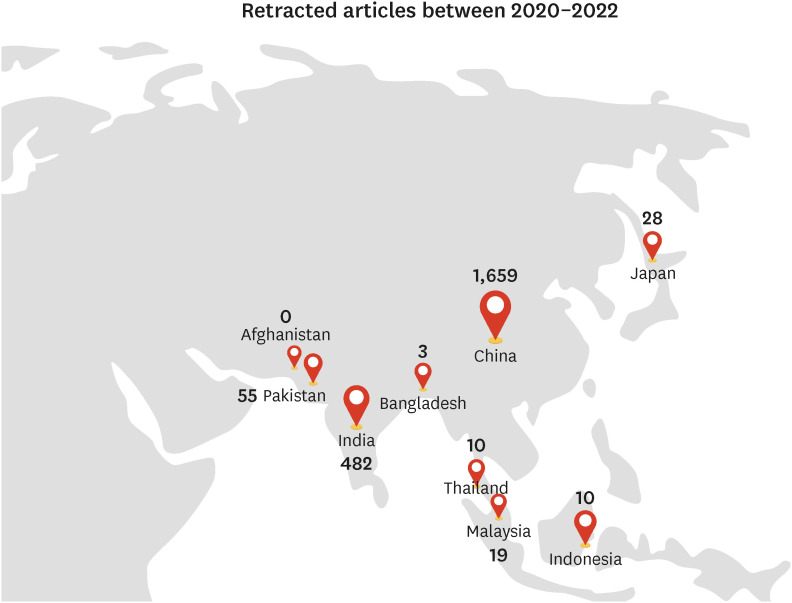
Fig. 2 Number of retracted articles in various South, East and Southeast Asian countries. Fig. 2 shows the number of retracted articles from countries in South, East and Southeast Asia between 2020–2022 according to the retraction watch database.
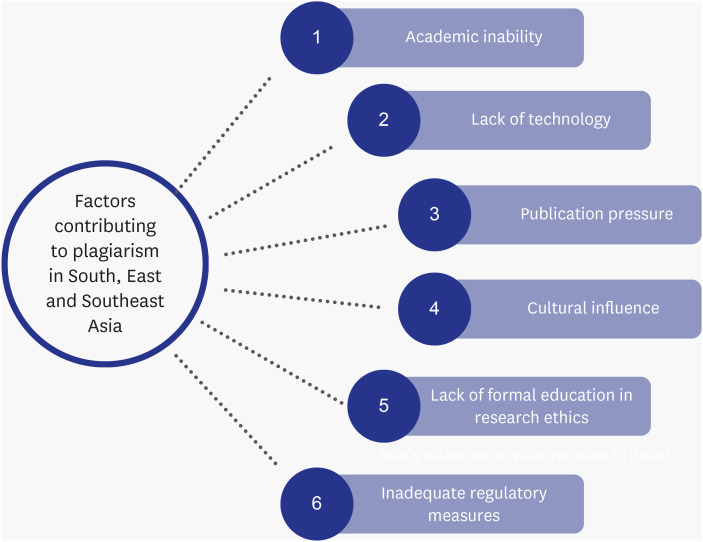
Fig. 3 Common factors contributing to plagiarism in South, East and Southeast Asia.
Cited by 1 articles
-
Research Integrity: Where We Are and Where We Are Heading
Alikhan Zhaksylyk, Olena Zimba, Marlen Yessirkepov, Burhan Fatih Kocyigit
J Korean Med Sci. 2023;38(47):e405. doi: 10.3346/jkms.2023.38.e405.
Reference
-
1. Das N, Panjabi M. Plagiarism: Why is it such a big issue for medical writers? Perspect Clin Res. 2011; 2(2):67–71. PMID: 21731858.2. Zimba O, Gasparyan AY. Plagiarism detection and prevention: a primer for researchers. Reumatologia. 2021; 59(3):132–137. PMID: 34538939.3. Sharma BB, Singh V. Ethics in writing: learning to stay away from plagiarism and scientific misconduct. Lung India. 2011; 28(2):148–150. PMID: 21712931.4. The Office of Research Integrity. Definition of research misconduct. Updated 2022. Accessed December 22, 2022. https://ori.hhs.gov/definition-research-misconduct .5. Helgesson G, Eriksson S. Plagiarism in research. Med Health Care Philos. 2015; 18(1):91–101. PMID: 24993050.6. Resnik DB, Dinse GE. Scientific retractions and corrections related to misconduct findings. J Med Ethics. 2013; 39(1):46–50. PMID: 22942373.7. Chaddah P. Not all plagiarism requires a retraction. Nature. 2014; 511(7508):127. PMID: 25008489.8. Heitman E, Litewka S. International perspectives on plagiarism and considerations for teaching international trainees. Urol Oncol. 2011; 29(1):104–108. PMID: 21194646.9. Agrawal R. Plagiarism. Indian J Pathol Microbiol. 2020; 63(2):175–176. PMID: 32317511.10. Gasparyan AY, Nurmashev B, Seksenbayev B, Trukhachev VI, Kostyukova EI, Kitas GD. Plagiarism in the context of education and evolving detection strategies. J Korean Med Sci. 2017; 32(8):1220–1227. PMID: 28665055.11. Chien SC. Cultural constructions of plagiarism in student writing: teachers’ perceptions and responses. Res Teach Engl. 2014; 49(2):120–140.12. Fang FC, Steen RG, Casadevall A. Misconduct accounts for the majority of retracted scientific publications. Proc Natl Acad Sci U S A. 2012; 109(42):17028–17033. PMID: 23027971.13. Amos KA. The ethics of scholarly publishing: exploring differences in plagiarism and duplicate publication across nations. J Med Libr Assoc. 2014; 102(2):87–91. PMID: 24860263.14. Stretton S, Bramich NJ, Keys JR, Monk JA, Ely JA, Haley C, et al. Publication misconduct and plagiarism retractions: a systematic, retrospective study. Curr Med Res Opin. 2012; 28(10):1575–1583. PMID: 22978774.
Article15. Retraction watch database. Updated 2022. Accessed December 22, 2022. http://retractiondatabase.org/RetractionSearch.aspx .16. Yang F, Shaw A, Garduno E, Olson KR. No one likes a copycat: a cross-cultural investigation of children’s response to plagiarism. J Exp Child Psychol. 2014; 121:111–119. PMID: 24473471.17. Liao QJ, Zhang YY, Fan YC, Zheng MH, Bai Y, Eslick GD, et al. Perceptions of Chinese biomedical researchers towards academic misconduct: a comparison between 2015 and 2010. Sci Eng Ethics. 2018; 24(2):629–645. PMID: 28397174.18. Yi N, Nemery B, Dierickx K. Integrity in biomedical research: a systematic review of studies in China. Sci Eng Ethics. 2019; 25(4):1271–1301. PMID: 29721845.
Article19. Yi N, Nemery B, Dierickx K. Perceptions of plagiarism by biomedical researchers: an online survey in Europe and China. BMC Med Ethics. 2020; 21(1):44. PMID: 32487190.
Article20. Li D, Cornelis G. Differing perceptions concerning research misconduct between China and Flanders: a qualitative study. Account Res. 2021; 28(2):63–94. PMID: 32718198.
Article21. Palla IA, Singson M, Thiyagarajan S. A comparative analysis of retracted papers in health sciences from China and India. Account Res. 2020; 27(7):401–416. PMID: 32279538.
Article22. Li Y. Text-based plagiarism in scientific writing: what Chinese supervisors think about copying and how to reduce it in students’ writing. Sci Eng Ethics. 2013; 19(2):569–583. PMID: 22212356.
Article23. Bi X, Tang X, Fan X. Academic misconduct of graduates and the credit education. Zhong Nan Da Xue Xue Bao Yi Xue Ban. 2011; 36(10):1021–1024. PMID: 22086012.24. Shen Y, Hu G. Chinese graduate students’ perceptions of plagiarism: a mixed-methods study. Account Res. 2021; 28(4):197–225. PMID: 32877216.
Article25. Yu L, Miao M, Liu W, Zhang B, Zhang P. Scientific misconduct and associated factors: a survey of researchers in three Chinese tertiary hospitals. Account Res. 2021; 28(2):95–114. PMID: 32783533.
Article26. Dhingra D, Mishra D. Publication misconduct among medical professionals in India. Indian J Med Ethics. 2014; 11(2):104–107. PMID: 24727622.
Article27. Raj JP, Venkatachalam S, Amaravati RS, Siby N, Oommen AM, Jose JE, et al. Extent of awareness and attitudes on plagiarism among post-graduate resident doctors and junior medical faculty in India: a cross-sectional, multicentric study. BMJ Open. 2021; 11(6):e046904.
Article28. Varghese J, Jacob M. Do medical students require education on issues related to plagiarism? Indian J Med Ethics. 2015; 12(2):82–87. PMID: 25671582.29. Jain S, Saxena V, Hongal S, Jain M, Torwane N, Sharva V. Comparison of opinion referendum of medical and dental postgraduates towards plagiarism in Bhopal - Central India. J Coll Physicians Surg Pak. 2015; 25(7):514–518. PMID: 26208556.30. Singh SP, Dhir SK, Sharma M, Singh T. Publication misconduct: perceptions of participants of a faculty development programme. Natl Med J India. 2018; 31(3):169–171. PMID: 31044767.
Article31. Shirazi B, Jafarey AM, Moazam F. Plagiarism and the medical fraternity: a study of knowledge and attitudes. J Pak Med Assoc. 2010; 60(4):269–273. PMID: 20419968.32. Ghias K, Lakho GR, Asim H, Azam IS, Saeed SA. Self-reported attitudes and behaviours of medical students in Pakistan regarding academic misconduct: a cross-sectional study. BMC Med Ethics. 2014; 15(1):43. PMID: 24885991.
Article33. Mubeen SM, Ghayas R, Adil Rizvi SH, Khan SA. Qurrat-ul-Ain. Knowledge of scientific misconduct in publication among medical students. Educ Health (Abingdon). 2017; 30(2):140–145. PMID: 28928344.34. Olesen AP, Amin L, Mahadi Z. In their own words: research misconduct from the perspective of researchers in Malaysian universities. Sci Eng Ethics. 2018; 24(6):1755–1776. PMID: 29249021.
Article35. Olesen AP, Amin L, Mahadi Z. Researchers experience of misconduct in research in Malaysian higher education institutions. Account Res. 2018; 25(3):125–141. PMID: 29394103.36. Khadilkar SS. The plague of plagiarism: prevention and cure!!! J Obstet Gynaecol India. 2018; 68(6):425–431. PMID: 30416266.
Article37. Hong ST. Plagiarism continues to affect scholarly journals. J Korean Med Sci. 2017; 32(2):183–185. PMID: 28049227.
Article38. Mehta P, Mukherjee S. Plagiarism and its repercussions: a primer on responsible scientific writing. Cent Asian J Med Hypotheses Ethics. 2022; 3(1):52–62.39. Gupta L, Tariq J, Yessirkepov M, Zimba O, Misra DP, Agarwal V, et al. Plagiarism in non-anglophone countries: a cross-sectional survey of researchers and journal editors. J Korean Med Sci. 2021; 36(39):e247. PMID: 34636502.
Article40. Abbasi P, Yoosefi-Lebni J, Jalali A, Ziapour A, Nouri P. Causes of the plagiarism: a grounded theory study. Nurs Ethics. 2021; 28(2):282–296. PMID: 32909912.
Article41. Committee on Publication Ethics. Plagiarism in a published article. Updated 2019. Accessed December 22, 2022. https://publicationethics.org/resources/flowcharts/plagiarism-published-article .42. Luther F. Scientific misconduct: tip of an iceberg or the elephant in the room? J Dent Res. 2010; 89(12):1364–1367. PMID: 20940367.
- Full Text Links
-
- Actions
-
Cited
- CITED
-
- Close
- Share
-
- Similar articles
-
- Plagiarism: A Bird’s Eye View
- Plagiarism Continues to Affect Scholarly Journals
- How to Act When Research Misconduct Is Not Detected by Software but Revealed by the Author of the Plagiarized Article
- Plagiarism in the Context of Education and Evolving Detection Strategies
- Encouraging Editorial Flexibility in Cases of Textual Reuse


